
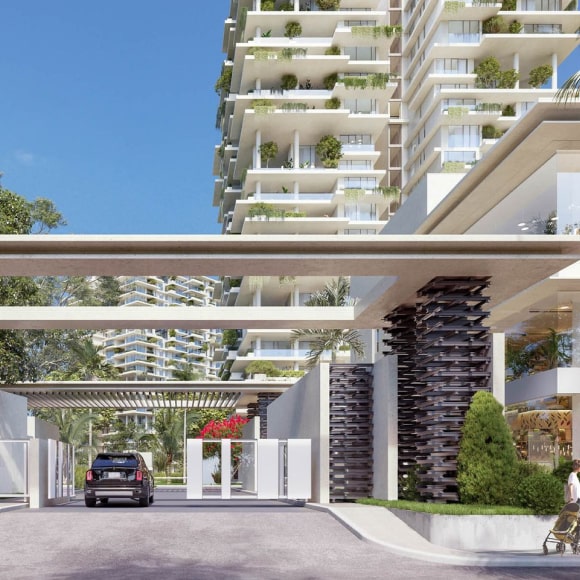
Real estate has long been considered one of the safest and most reliable investment options in Sri Lanka. Property ownership is deeply rooted in local culture and is often seen as a symbol of long-term security and financial stability. However, with recent economic fluctuations, rising interest rates, and changing buyer behavior, many investors and homebuyers are asking an important question:
Is real estate still a safe investment in Sri Lanka?
This article explores the current real estate landscape, the risks and rewards of property investment, and what buyers should consider before investing in Sri Lankan real estate today.
What Does “Safe Investment” Mean in Real Estate?
A safe investment does not mean zero risk. Instead, it refers to an investment that offers long-term stability, predictable returns, and protection against major value loss.
In real estate, safety is measured by:
- Capital preservation over time
- Potential for value appreciation
- Rental income opportunities
- Resistance to inflation
- Legal and regulatory security
Real estate generally performs best when viewed as a long-term investment, rather than a short-term speculative asset.
Overview of Sri Lanka’s Real Estate Market
Sri Lanka’s property market has experienced cycles of growth and correction, influenced by economic conditions, policy changes, and global factors. Despite recent challenges, demand for housing remains strong—especially in urban and suburban areas.
Key market observations include:
- Continued demand for residential properties
- Limited land availability in prime locations
- Increased interest in apartments, villas, and gated communities
- Growing focus on quality, legal clarity, and developer reputation
While short-term fluctuations exist, the long-term fundamentals of the real estate market remain intact.
Why Real Estate Continues to Be a Strong Investment in Sri Lanka
Tangible Asset with Real Utility
Unlike shares or financial instruments, property is a physical asset. Whether it is used for living, renting, or future resale, real estate always has intrinsic value.
Even during economic downturns, people still need homes—making residential real estate especially resilient.
Protection Against Inflation
Real estate is widely regarded as a hedge against inflation. As construction costs, material prices, and land values increase over time, property prices tend to rise accordingly.
Rental income also adjusts with inflation, helping investors maintain purchasing power.
Long-Term Demand for Housing
Sri Lanka continues to experience:
- Urbanization
- Population growth in cities
- Increased housing demand from professionals and families
This sustained demand supports long-term property value appreciation, especially in well-located developments.
Rental Income Potential
Rental income adds another layer of safety to real estate investment.
Well-located apartments and residential homes often generate steady monthly income, which:
- Helps offset loan repayments
- Provides passive income
- Improves overall return on investment
Rental demand remains strong in key urban and suburban areas.
Risks Associated with Real Estate Investment in Sri Lanka
While real estate remains a solid investment option, buyers should be aware of potential risks.
Economic Uncertainty
Economic instability can affect buyer confidence, interest rates, and affordability. Property prices may stagnate during uncertain periods, particularly in over-supplied or poorly planned locations.
Interest Rate Fluctuations
Higher interest rates increase borrowing costs, which can slow down market activity. Investors using bank financing must carefully assess repayment capacity under different interest rate scenarios.
Liquidity Constraints
Real estate is not a highly liquid asset. Selling a property may take time, especially if pricing or location does not match current demand.
This is why real estate is best suited for medium to long-term investment horizons.
Legal and Regulatory Risks
Issues such as unclear land titles, missing approvals, or improper documentation can create serious complications.
Professional legal due diligence is essential before any property purchase in Sri Lanka.
How to Make Real Estate a Safer Investment
The safety of a real estate investment depends largely on how and where you invest.
Choose the Right Location
Location remains the most important factor in property investment.
Properties close to:
- Business hubs
- Schools and hospitals
- Transport links
- Essential amenities
tend to retain value better and attract consistent demand.
Invest in Reputed Developments
Choosing a trusted and experienced developer reduces risk significantly.
Reputed developers typically offer:
- Transparent pricing
- Approved plans and permits
- Quality construction standards
- Clear legal documentation
Projects with bank-backed or tripartite agreements provide additional protection to buyers.
Focus on Quality and Planning
Well-designed homes with efficient layouts, durable materials, and thoughtful planning perform better in the long run.
Quality construction reduces maintenance costs and improves resale value.
Think Long-Term
Real estate rewards patience. Investors who hold property over longer periods generally benefit from:
- Capital appreciation
- Stable rental income
- Reduced exposure to short-term market volatility
A long-term mindset transforms real estate into a safer investment.
Which Property Type Is the Safest Investment?
Different property types offer different risk profiles.
Apartments
Apartments are popular among first-time buyers and investors due to:
- Lower entry cost
- Strong rental demand
- Central locations
They offer relatively high liquidity and steady income potential.
Villas and Gated Community Homes
Villas provide:
- More space and privacy
- Community living benefits
- Strong appeal to families
They tend to hold value well and offer good long-term appreciation.
Independent Houses
Independent homes offer full ownership and customization freedom.
While they require higher investment and maintenance, land value appreciation often makes them a strong long-term asset.
Real Estate vs Other Investment Options in Sri Lanka
Compared to other common investment choices, real estate offers a balanced risk-return profile.
- Less volatile than stocks
- More tangible than financial instruments
- Better inflation protection than fixed deposits
- Lower risk than speculative assets
For many investors, real estate serves as a foundation asset within a diversified investment portfolio.
Final Verdict: Is Real Estate Still a Safe Investment in Sri Lanka?
Yes — real estate remains a safe and sensible investment in Sri Lanka when approached strategically.
While short-term economic challenges may impact the market, well-located, legally sound, and quality residential properties continue to offer:
- Long-term value preservation
- Inflation protection
- Rental income opportunities
- Lifestyle and security benefits
The key lies in making informed decisions, choosing the right developer, and adopting a long-term investment perspective.
Planning Your Property Investment
Before investing in real estate:
- Clearly define your purpose (living or investment)
- Assess your financial capacity
- Verify all legal documentation
- Choose trusted developers
- Seek professional advice
A carefully planned investment not only protects your capital but also builds lasting value for the future.