

Buying your first home is exciting—but it can also feel overwhelming. Understanding the process helps reduce uncertainty and ensures a smooth experience.
This guide walks you through the full journey, step by step.
Before selecting a home:
Pre-approval strengthens your buying confidence.
Shortlist based on:
Visit the site physically whenever possible.
Booking involves:
Ensure booking terms are clearly stated.
Your lawyer should verify:
Never skip this step.
Once verified:
If applicable:
Banks release funds based on construction progress.
During construction:
Reputed developers maintain transparency throughout.
Before handover:
Ensure all agreed features are delivered.
Once documentation is complete:
Your first home purchase is a milestone. With the right guidance, trusted professionals, and a transparent developer, the process becomes smooth and rewarding.
A well-planned journey leads to a home you can truly be proud of.
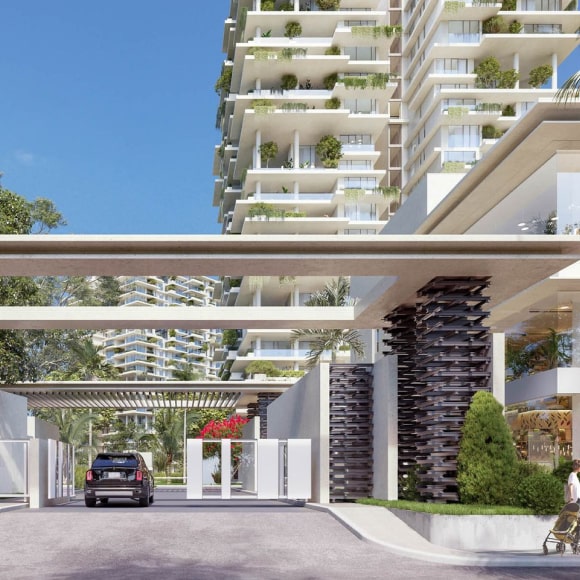
Real estate has long been considered one of the safest and most reliable investment options in Sri Lanka. Property ownership is deeply rooted in local culture and is often seen as a symbol of long-term security and financial stability. However, with recent economic fluctuations, rising interest rates, and changing buyer behavior, many investors and homebuyers are asking an important question:
This article explores the current real estate landscape, the risks and rewards of property investment, and what buyers should consider before investing in Sri Lankan real estate today.
A safe investment does not mean zero risk. Instead, it refers to an investment that offers long-term stability, predictable returns, and protection against major value loss.
In real estate, safety is measured by:
Real estate generally performs best when viewed as a long-term investment, rather than a short-term speculative asset.
Sri Lanka’s property market has experienced cycles of growth and correction, influenced by economic conditions, policy changes, and global factors. Despite recent challenges, demand for housing remains strong—especially in urban and suburban areas.
Key market observations include:
While short-term fluctuations exist, the long-term fundamentals of the real estate market remain intact.
Unlike shares or financial instruments, property is a physical asset. Whether it is used for living, renting, or future resale, real estate always has intrinsic value.
Even during economic downturns, people still need homes—making residential real estate especially resilient.
Real estate is widely regarded as a hedge against inflation. As construction costs, material prices, and land values increase over time, property prices tend to rise accordingly.
Rental income also adjusts with inflation, helping investors maintain purchasing power.
Sri Lanka continues to experience:
This sustained demand supports long-term property value appreciation, especially in well-located developments.
Rental income adds another layer of safety to real estate investment.
Well-located apartments and residential homes often generate steady monthly income, which:
Rental demand remains strong in key urban and suburban areas.
While real estate remains a solid investment option, buyers should be aware of potential risks.
Economic instability can affect buyer confidence, interest rates, and affordability. Property prices may stagnate during uncertain periods, particularly in over-supplied or poorly planned locations.
Higher interest rates increase borrowing costs, which can slow down market activity. Investors using bank financing must carefully assess repayment capacity under different interest rate scenarios.
Real estate is not a highly liquid asset. Selling a property may take time, especially if pricing or location does not match current demand.
This is why real estate is best suited for medium to long-term investment horizons.
Issues such as unclear land titles, missing approvals, or improper documentation can create serious complications.
Professional legal due diligence is essential before any property purchase in Sri Lanka.
The safety of a real estate investment depends largely on how and where you invest.
Location remains the most important factor in property investment.
Properties close to:
tend to retain value better and attract consistent demand.
Choosing a trusted and experienced developer reduces risk significantly.
Reputed developers typically offer:
Projects with bank-backed or tripartite agreements provide additional protection to buyers.
Well-designed homes with efficient layouts, durable materials, and thoughtful planning perform better in the long run.
Quality construction reduces maintenance costs and improves resale value.
Real estate rewards patience. Investors who hold property over longer periods generally benefit from:
A long-term mindset transforms real estate into a safer investment.
Different property types offer different risk profiles.
Apartments are popular among first-time buyers and investors due to:
They offer relatively high liquidity and steady income potential.
Villas provide:
They tend to hold value well and offer good long-term appreciation.
Independent homes offer full ownership and customization freedom.
While they require higher investment and maintenance, land value appreciation often makes them a strong long-term asset.
Compared to other common investment choices, real estate offers a balanced risk-return profile.
For many investors, real estate serves as a foundation asset within a diversified investment portfolio.
Yes — real estate remains a safe and sensible investment in Sri Lanka when approached strategically.
While short-term economic challenges may impact the market, well-located, legally sound, and quality residential properties continue to offer:
The key lies in making informed decisions, choosing the right developer, and adopting a long-term investment perspective.
Before investing in real estate:
A carefully planned investment not only protects your capital but also builds lasting value for the future.

Choosing the right type of home is just as important as choosing the right location or budget. In Sri Lanka, buyers typically choose between apartments, villas, and independent houses, each offering a different lifestyle, cost structure, and long-term commitment.
This guide breaks down the differences to help you decide what suits you best.
Apartments
Multi-unit residential buildings with shared facilities and managed common areas.
Villas
Homes within gated communities, often with private space but shared infrastructure.
Independent Homes
Standalone houses built on individual land plots.
Best for:
Advantages:
Considerations:
Apartments are ideal for those who value convenience, security, and minimal upkeep.
Best for:
Advantages:
Considerations:
Villas offer a balance between independence and convenience.
Best for:
Advantages:
Considerations:
Independent homes suit those who want complete control and space.
Ask yourself:
Each serves a different investment strategy.
There is no one-size-fits-all answer. The best choice depends on your lifestyle, financial capacity, and future plans.
Choosing the right property type ensures comfort today and value tomorrow.

Buying a home is one of the most important financial and emotional decisions you will ever make. In Sri Lanka, where real estate purchases involve legal, financial, and construction-related considerations, making the right choices early can save you years of stress and unexpected costs.
Whether you are a first-time buyer, an upgrader, or an investor, understanding the full picture before committing is essential. This guide walks you through the most important factors to consider before buying a home in Sri Lanka.
Before you even start looking at properties, clarify why you are buying.
Is it for your own living?
For long-term investment?
For rental income?
For future use by family?
Your purpose influences:
Location
Property type (apartment, villa, house)
Budget
Financing options
Resale potential
A home purchased for living should prioritize comfort, accessibility, and lifestyle. An investment property should focus on demand, appreciation, and rental yield.
In Sri Lanka, location plays a huge role in both quality of life and property value.
Proximity to workplaces
Access to schools, hospitals, supermarkets
Road connectivity and traffic conditions
Future infrastructure developments
Flood risk and environmental conditions
A well-located home may cost more initially but often provides better resale value and daily convenience.
Many buyers focus only on the property price and overlook additional costs.
Stamp duty
Legal fees
Bank processing charges
Registration costs
Utility connection fees
Furniture and fittings
Maintenance charges (especially for apartments)
Always keep a buffer of at least 10–15% above the property price to handle these expenses comfortably.
Sri Lanka offers several residential options:
Apartments
Villas
Independent houses
Each has advantages and limitations depending on your lifestyle, family size, and maintenance expectations. (This is covered in detail in the next article.)
One of the most critical decisions is who you buy from.
Completed projects you can physically visit
Construction quality
Timely project delivery history
Transparency in communication
Legal compliance
Avoid developers with unclear ownership structures or poor track records. A trustworthy developer reduces legal and construction-related risks significantly.
Never proceed without proper legal verification.
Clear title deed
Approved building plans
Development permits
Certificates of conformity
Survey plans
Always engage an independent lawyer experienced in property transactions to review documents before signing anything.
If you are taking a bank loan, understand:
Your eligibility
Interest rates
Loan tenure
Monthly repayment burden
Projects with tripartite agreements between the buyer, developer, and bank offer additional protection, as the bank monitors construction and fund usage.
Not all homes are built equally.
Foundation quality
Structural design
Wall thickness
Plumbing and electrical work
Finishing materials
Good construction reduces long-term maintenance costs and improves durability.
Even if you plan to live in the home long-term, consider:
Resale demand in the area
Market growth potential
Property type demand trends
Homes in well-planned developments usually retain value better over time.
Apartments and gated communities often have monthly maintenance fees. Independent houses may require more personal upkeep.
Understand:
What is included in maintenance
Who manages common areas
Long-term maintenance responsibilities
Buying a home in Sri Lanka is a rewarding journey when done right. Take time to research, ask questions, verify documents, and choose a developer who values quality and transparency.
A well-considered purchase doesn’t just give you a house, it gives you peace of mind for years to come.